
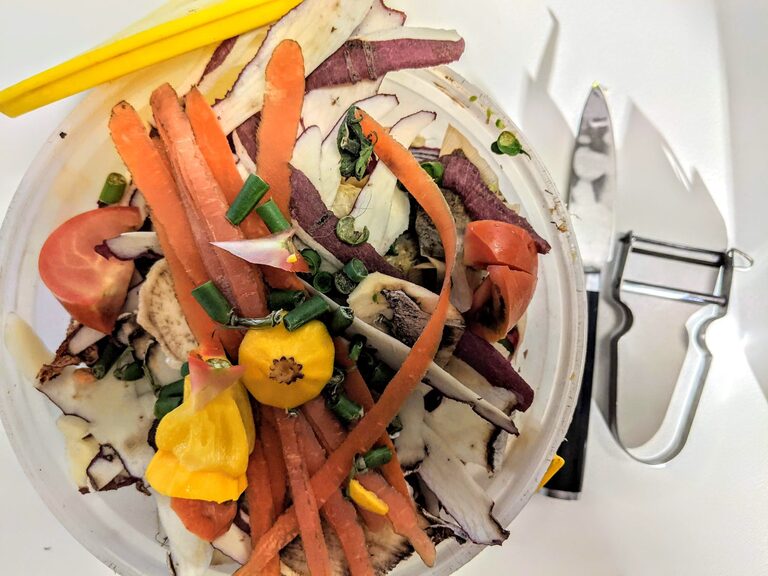
Reducing food waste at home is a win-win for your budget and the environment. By wasting less food, you save money and help reduce the impact of food production on natural resources. It also means less trash filling up landfills. If you’re looking for straightforward ways to cut down on food waste, this guide offers practical steps you can start using today.
Why Reducing Food Waste Matters
Food waste isn’t just about losing money on groceries. When food is thrown away, all the energy, water, and labor used to produce, transport, and store that food are wasted too. Plus, decomposing food in landfills produces methane, a potent greenhouse gas.
By adopting habits that reduce food waste, you contribute to a more sustainable food system and lessen your environmental footprint.
Plan Ahead to Avoid Buying Too Much
One of the easiest ways to prevent food waste is by planning your grocery trips carefully.
Create a Weekly Meal Plan
– Decide what meals you’ll prepare for the week.
– Write a shopping list based on your plan.
– Stick to your list to avoid impulse buys that may go unused.
Meal planning helps you buy only what you need and makes it easier to use up ingredients before they spoil.
Check Your Pantry and Fridge First
Before shopping, check what you already have. Using existing ingredients reduces waste and keeps your kitchen organized.
Smart Shopping Strategies
Smart shopping habits support your efforts to reduce waste.
– Buy loose fruits and vegetables so you can purchase the exact amount needed.
– Choose smaller packages if you live alone or cook for fewer people.
– Avoid bulk buying perishables unless you have a plan to use them quickly or freeze them.
Store Food Properly to Extend Freshness
How you store food can make a big difference in how long it stays fresh.
Use Clear Containers
Store leftovers and prepped ingredients in clear containers so you can easily see what you have.
Keep Fruits and Vegetables Separate
Some fruits like apples release ethylene gas, which can cause nearby vegetables to spoil faster. Use separate drawers or containers.
Understand Optimal Storage Conditions
– Leafy greens stay fresh longer when wrapped in a damp paper towel inside a sealed bag.
– Store bread in a cool place or freeze it to prevent molding.
– Keep herbs fresh by trimming stems and placing them in water like a bouquet.
Get Creative with Leftovers and Scraps
Instead of tossing food scraps or leftovers, find ways to reuse them.
Use Leftovers for New Meals
Turn cooked vegetables into soups, sandwiches, or stir-fries. Rice and pasta can be the base for salads or casseroles.
Make Vegetable Stock
Save peels, ends, and stalks of vegetables in a bag in the freezer. When you have enough, boil them to make flavorful stock.
Compost Food Scraps
If possible, compost food scraps that you don’t eat. Composting reduces landfill waste and creates nutrient-rich soil for gardening.
Practice FIFO: First In, First Out
Organize your fridge and pantry so older items are used before newer ones.
– Place new groceries behind older stock.
– Regularly check expiration dates and use food before it spoils.
This habit helps prevent food from sitting unused until it goes bad.
Understand Labels and Expiration Dates
Food labels can be confusing. “Best by,” “sell by,” and “use by” dates don’t always mean food is unsafe after that date.
– “Best by” indicates quality, not safety.
– Use your senses—look, smell, and taste—to judge if food is still good.
– When in doubt, research or check packaging for guidance.
Portion Control Can Prevent Plate Waste
Serving appropriate portions reduces the chance of uneaten food going to waste.
– Start with smaller servings and allow seconds if still hungry.
– Let family members serve themselves so they can take the amount they want.
Donate Surplus Food
If you have non-perishable food you won’t use, consider donating it to local food banks or shelters.
—
By incorporating these practical habits into daily life, you can significantly reduce the food your household wastes. Not only will your wallet thank you, but you’ll also be doing your part for a healthier planet. Start small and build new routines—every bit counts!