
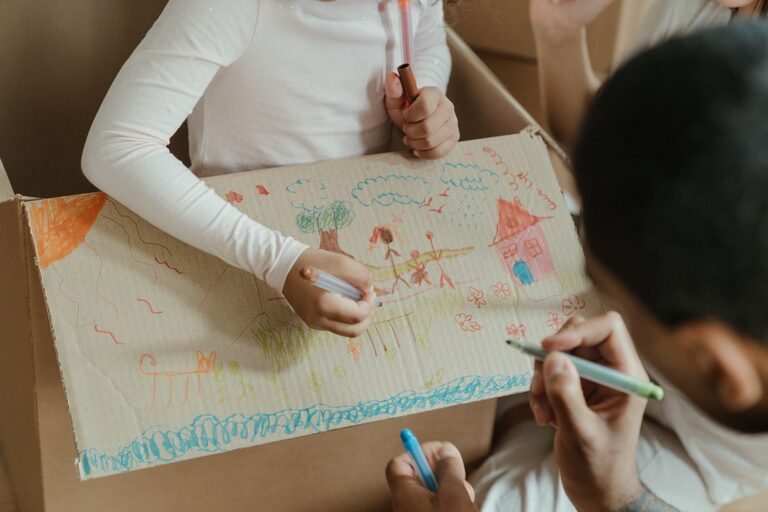
Keeping kids’ artwork organized can be a joyful yet challenging task for many parents. Children often produce a steady stream of drawings, paintings, and crafts that carry sentimental value. However, without a good system in place, these treasures can quickly become clutter. This guide offers practical tips to help you organize your child’s art while preserving those special memories.
Why Organize Kids' Art?
Before diving into tips, it’s important to understand why organizing kids’ art matters:
– Preservation: Artwork can fade or get damaged if not stored properly.
– Reduced Clutter: Managing art helps maintain a neat and inviting home.
– Encouragement: Displaying kids’ work shows you value their creativity.
– Memory Keeping: Well-organized collections make it easier to revisit and share memories.
Choose a Dedicated Space for Art Storage
Start by designating a specific area in your home where you can store or display artwork. This could be a shelf, a drawer, a box, or a particular wall.
Storage Options
– Portfolios: Large, flat folders designed to hold paper art. They keep artwork protected and organized by date or theme.
– Storage Boxes: Use labeled plastic bins or decorative boxes to store three-dimensional projects or bulkier art.
– Binders with Plastic Sleeves: Great for saving drawings and smaller pieces while keeping them visible and protected.
Establish a Routine for Sorting Artwork
Make it a habit to sort through new artwork regularly. This could be weekly or monthly, depending on how much your child creates.
– Keep or Toss?: Decide together which pieces to keep, recycle, or gift to family members.
– Photograph or Scan: For pieces too large to store or that you want to keep digitally, take photos or scan them.
– Create a “To Display” Pile: Set aside favorites to showcase around the house.
Display Artwork Creatively
Showcasing your child’s creations can boost their confidence and brighten up your space.
Ideas for Display
– Gallery Wall: Dedicate a wall or portion of a hallway to rotate and display artworks using frames, clips, or a wire and clothespin system.
– Cork Boards or Magnetic Boards: Easy to update and rearrange as new art comes in.
– Art Books: Bind scanned or photographed art into a custom photo book as a yearly keepsake.
Use Technology to Preserve and Organize
Digital solutions can complement physical storage and make sharing easier.
– Apps for Art Storage: There are apps designed for photographing and organizing kids’ artwork.
– Cloud Storage: Upload scanned images to cloud services so you can access them anytime and share with family.
– Digital Photo Frames: Load images onto a digital frame for a rotating display of artwork.
Make Art Organization a Family Activity
Encourage your child to be involved in the process. This teaches responsibility and lets them prioritize what matters most to them.
– Art Sorting Sessions: Set aside time to go through new art and select favorites.
– Crafting Storage Solutions: Let kids decorate storage boxes or binders.
– Create Gifts: Use art pieces to make cards or presents for relatives.
Tips for Handling Larger or Three-Dimensional Art Projects
Bulky projects can be tricky to store but don’t have to be discarded.
– Photo Documentation: Take photos from multiple angles.
– Display Shelves: Dedicate a shelf to keep favorite sculptures or craft projects.
– Rotation Plan: Keep some on display for a limited time, then store or photograph and recycle to save space.
Label and Date Everything
Organized labeling helps you track your child’s progress and makes it easy to find specific pieces later.
– Write dates and brief notes on the back of drawings or on labels.
– Use folders or binders organized by year or school grade.
Final Thoughts
Organizing kids’ artwork is a meaningful way to celebrate creativity while keeping your home tidy. Whether you choose to keep every masterpiece or just select favorites, having a clear system makes the task manageable and fun. With these tips, you can create a lasting archive of your child’s artistic journey that you and your family will cherish for years to come.